Analyzing Payment Method Influences on Live Dealer Experiences Across Multi-Device Casino Platforms
Klara Otto · Aug 17, 2026

Analyzing Payment Method Influences on Live Dealer Experiences Across Multi-Device Casino Platforms
Transaction choices in cross-device casino platforms shape how users engage with live dealer games, where payment speed, security protocols, and available methods directly affect session continuity and interaction quality. Platforms that support instant deposits allow players to join live tables without delays, while slower processing times can interrupt real-time betting sequences. Data from industry reports shows that platforms integrating multiple payment rails maintain higher retention rates during live sessions compared to those limited to traditional banking transfers.
Payment Speed and Real-Time Table Dynamics
Live dealer environments require seamless fund access because table minimums and betting windows operate on strict timers. When users select methods like e-wallets or instant bank transfers, they complete deposits in seconds rather than minutes, preserving the flow of gameplay. Research indicates that platforms offering these options record fewer abandoned live sessions, particularly on mobile devices where users switch networks frequently. In contrast, credit card authorizations that involve additional verification steps often coincide with dropped connections or missed betting opportunities.
Cross-device synchronization adds another layer because a deposit initiated on a smartphone must reflect instantly on a desktop interface if the user switches hardware mid-session. Systems that fail to update balances across devices force players to reload tables or restart authentication, reducing overall interaction quality. Observers note that platforms using unified ledger technology handle these transitions more effectively, keeping live dealer streams uninterrupted.
Security Protocols and User Confidence During Live Play
Encryption standards and authentication layers tied to specific payment methods influence how comfortable users feel committing larger bets at live tables. Methods incorporating biometric verification or tokenization reduce friction while maintaining security, allowing quicker re-entry after brief pauses. Figures from regulatory bodies in multiple regions reveal that platforms prioritizing these secure yet rapid options experience steadier participation levels throughout extended live sessions.
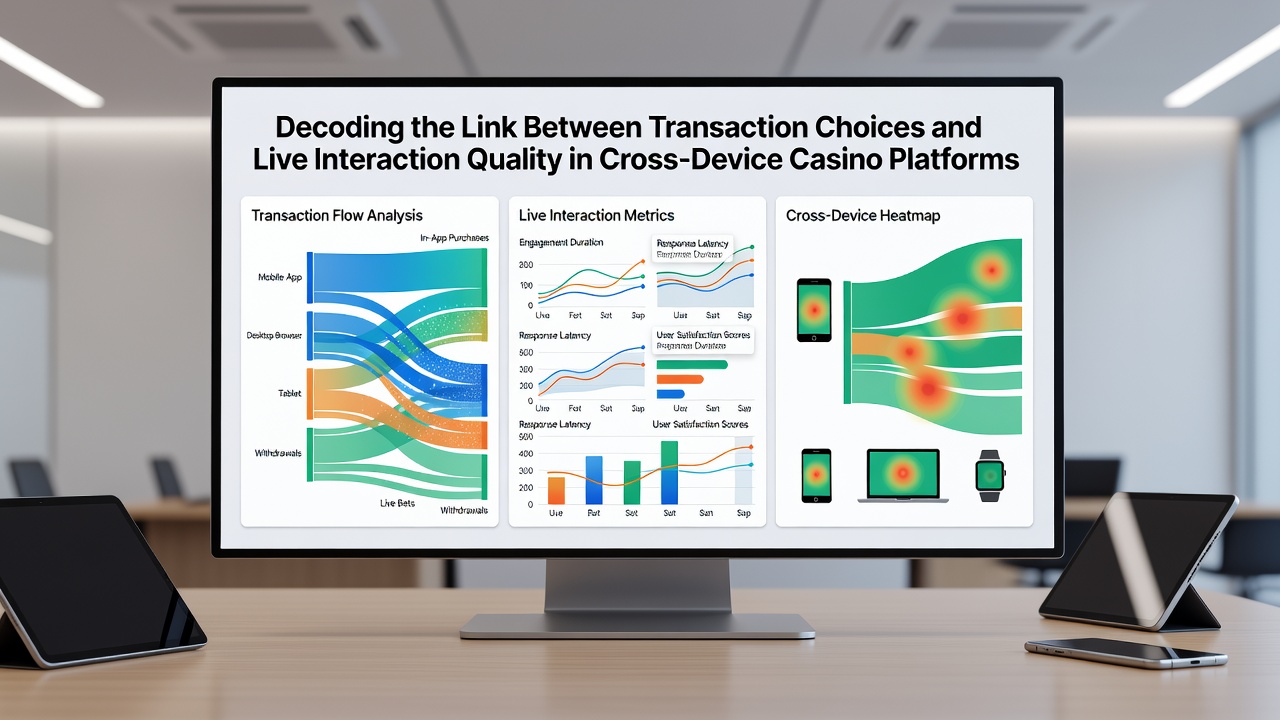
August 2026 saw several platform updates focused on embedding these security features directly into live game interfaces, enabling one-tap approvals without exiting the dealer view. Such integrations minimize context switching that previously disrupted immersion. Those who studied user behavior across devices found that reduced authentication steps correlated with longer average session durations at live blackjack and roulette tables.
Device Compatibility and Transaction Flexibility
Android and iOS environments handle payment APIs differently, which affects how transaction choices perform during live dealer streams. Applications optimized for both ecosystems support a broader range of methods, from digital wallets to regional banking apps, ensuring consistent deposit success regardless of hardware. Data shows that cross-device platforms with unified payment gateways report fewer failed transactions on tablets compared to those relying on browser-based fallbacks.
Withdrawal options also play a role because users often test deposit methods through small live bets before scaling up. Platforms that match deposit speed with comparable payout processing maintain higher satisfaction scores, particularly when live sessions involve progressive jackpots or side bets. Industry organizations tracking these patterns have documented that flexible transaction sets reduce the need for players to maintain separate accounts for different devices.
Regional Regulatory Variations and Platform Adaptations
Regulatory frameworks in North America and parts of Europe require distinct compliance measures around payment processing that influence live interaction standards. Platforms operating across borders adapt by offering localized methods that comply with regional rules while preserving real-time capabilities. Reports from sources such as the American Gaming Association highlight how these adaptations support stable live dealer performance despite varying legal requirements.
Additional findings from academic studies on digital payment ecosystems, including work referenced through the University of New South Wales, demonstrate that transaction reliability directly predicts engagement metrics in multi-device environments. These studies tracked user flows across smartphones, tablets, and desktops, noting measurable drops in live table activity when payment failures occurred.
Conclusion
Transaction choices connect to live interaction quality through measurable factors including processing speed, security integration, and device synchronization. Platforms that align these elements create environments where users maintain continuous engagement with live dealer content across hardware types. Current data from August 2026 and earlier periods confirms that ongoing refinements in payment infrastructure continue to shape session stability and overall platform performance in measurable ways.