Decoding Evaluation Frameworks for Elite Live Dealer Mobile Applications
Gisela Werner · Aug 27, 2026
Decoding Evaluation Frameworks for Elite Live Dealer Mobile Applications
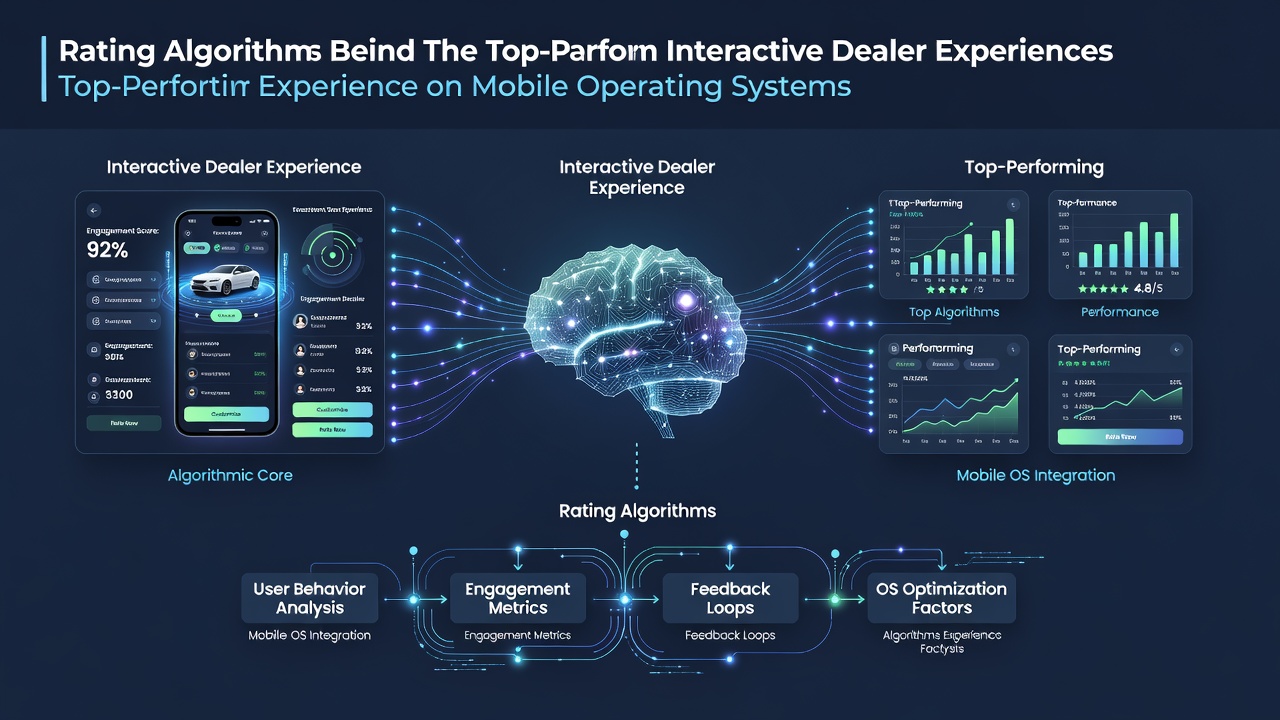
App stores on major mobile operating systems rely on intricate rating algorithms that weigh multiple performance indicators when ranking interactive dealer experiences, and these systems process data on user engagement, technical stability, and content delivery quality to determine visibility and success. Developers who understand these frameworks often see their applications climb rankings because the algorithms prioritize measurable outcomes such as session duration, interaction frequency, and seamless video integration over isolated features.
Core Components of Rating Algorithms
Rating systems evaluate live dealer applications through layered metrics that include download velocity, retention curves, and crash frequency reports, while they also factor in review sentiment analysis and update consistency to build an overall score. Data indicates that applications maintaining low latency during real-time dealer interactions receive higher algorithmic weight because these elements directly influence user return rates and positive feedback loops. Observers note that platforms adjust these weights periodically based on aggregated behavior patterns across millions of sessions, which creates dynamic ranking shifts without manual intervention.
Technical performance data plays a central role since algorithms scan for smooth streaming capabilities and responsive touch interfaces that keep players immersed during extended play periods. Researchers discovered that applications which minimize buffering through optimized server connections tend to accumulate favorable signals faster, leading to improved placement in search results and recommendation feeds. This process continues as new usage data flows in, allowing the system to refine its assessments over time.
Platform-Specific Differences in iOS and Android
Apple's ecosystem applies stricter review cycles that emphasize user privacy controls and interface consistency, whereas Android platforms permit more flexibility in third-party integrations that can enhance live dealer responsiveness. Experts have observed that iOS algorithms place greater emphasis on App Store review compliance and security certifications, which influences how quickly an application gains traction after launch. In contrast, Android's Google Play system incorporates signals from device fragmentation testing and cross-device compatibility reports to adjust rankings accordingly.
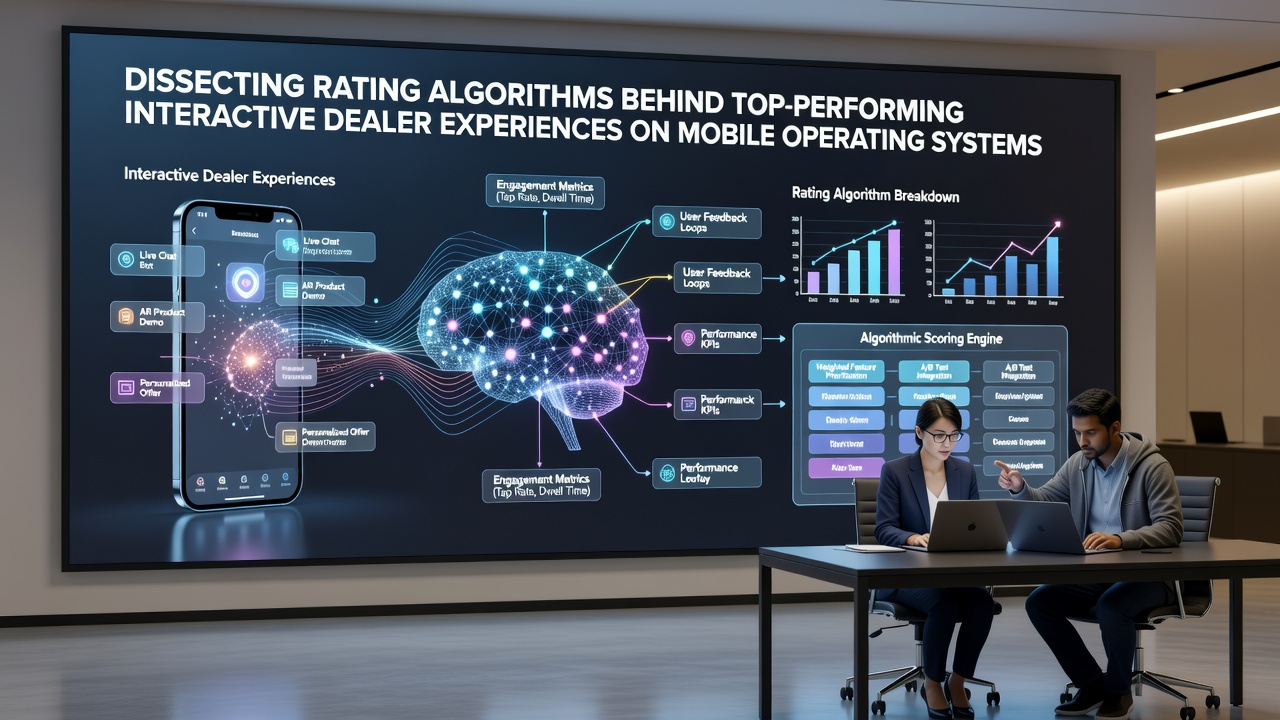
Those who've studied these differences know that Android applications often benefit from faster iteration cycles because the platform rewards frequent feature rollouts that improve engagement metrics. iOS applications, however, must navigate more rigorous pre-approval stages that can delay updates yet ultimately contribute to higher trust scores once approved. According to Android developer quality guidelines, sustained performance across hardware variations remains a key driver in algorithmic evaluations.
User Interaction Data and Its Influence
Algorithms track granular details such as how users interact with dealer chat functions, bet placement speed, and video angle adjustments because these actions generate behavioral signals that predict long-term retention. Evidence suggests applications fostering higher levels of real-time participation accumulate stronger algorithmic endorsements since they demonstrate genuine user investment. Reports from August 2026 show continued refinement in how these systems parse multi-touch gestures and audio synchronization to differentiate top performers from average ones.
Review volume and rating distribution further shape outcomes, as algorithms detect patterns in star ratings alongside textual feedback mentioning specific technical aspects like connection stability or dealer video clarity. People often find that applications encouraging authentic user testimonials through post-session prompts experience accelerated ranking improvements because the system values verified interaction over promotional content. This creates a feedback loop where quality experiences generate more data points that reinforce positive algorithmic treatment.
Emerging Trends in Algorithmic Assessment
Recent developments include greater incorporation of machine learning models that predict future engagement based on early usage patterns, allowing platforms to promote promising applications sooner in their lifecycle. A Statista analysis of mobile application trends highlights how cross-platform consistency in live dealer rendering has become an increasingly weighted variable across both major operating systems. These models continue evolving as developers introduce new interactive elements that test the boundaries of current evaluation criteria.
Conclusion
Understanding these rating algorithms requires attention to the interplay between technical execution, user behavior signals, and platform-specific rules that collectively determine which live dealer applications rise to prominence. Data from various industry sources shows that sustained focus on stability, engagement depth, and cross-device reliability produces measurable ranking advantages over time. As mobile ecosystems advance, the frameworks will likely incorporate additional layers of predictive analytics while maintaining core emphasis on verifiable performance indicators.