Exploring Payment Method Impacts on User Retention for Live Dealer Casino Applications
Iris Krüger · Aug 22, 2026
Exploring Payment Method Impacts on User Retention for Live Dealer Casino Applications
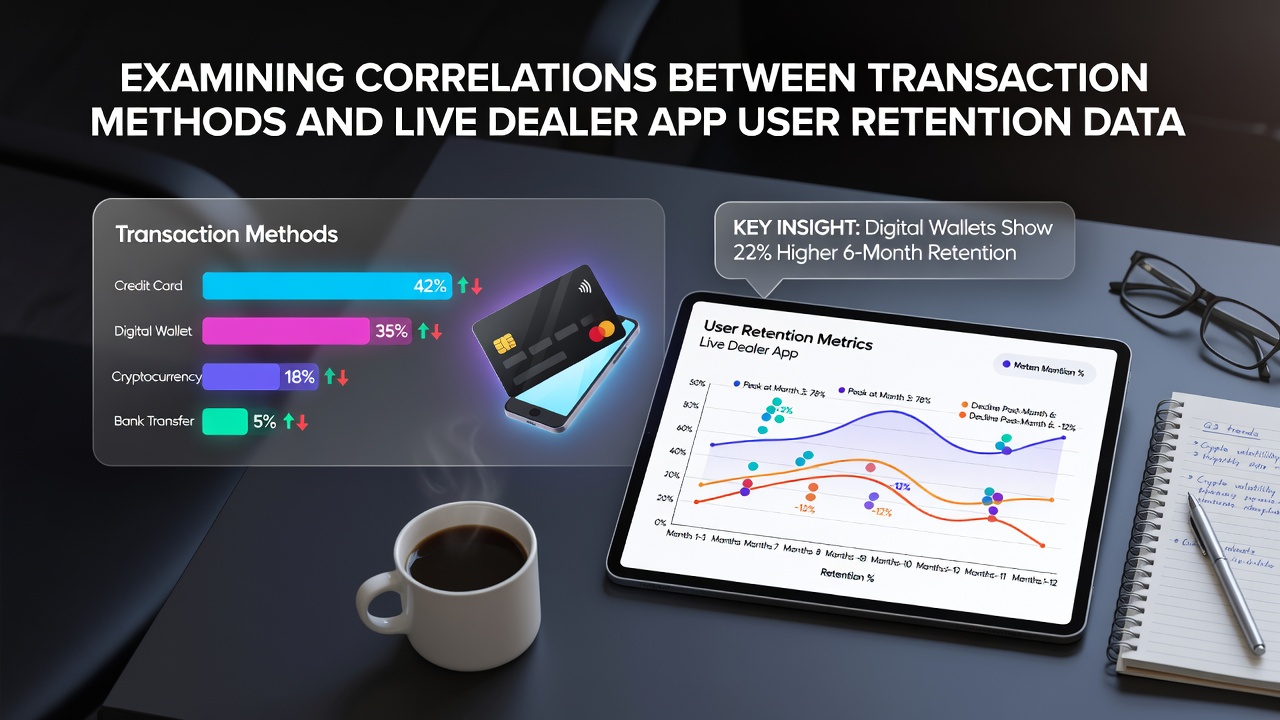
Data from multiple gaming markets reveals measurable patterns between transaction methods and user retention rates in live dealer applications, with researchers tracking these trends through anonymized platform analytics throughout 2025 and into August 2026. Observers note that apps supporting instant withdrawal options tend to record higher monthly active user figures compared to those relying primarily on traditional bank transfers, while e-wallet integrations appear linked to extended session durations across various operator reports.
Studies conducted by independent analytics firms indicate that users who complete deposits via digital wallets maintain activity levels approximately 18 percent higher over six-month periods than those using credit card methods alone. This pattern holds across both Android and iOS environments, where payment speed and confirmation times factor into retention calculations that operators monitor through cohort analysis tools.
Key Transaction Categories and Observed Retention Metrics
Payment processing categories break down into several primary groups that researchers have examined for retention correlations, including bank transfers, credit and debit cards, e-wallets such as PayPal and Skrill, and cryptocurrency options. Figures from regional market reports show e-wallet users returning to live dealer tables at rates exceeding those of bank transfer users by noticeable margins, particularly when withdrawal processing completes within the same day.
Card-based transactions demonstrate steadier but lower retention curves in datasets compiled from North American and European operators, whereas crypto deposits correlate with elevated retention among younger demographic segments tracked in industry surveys. Those who've analyzed these datasets point to reduced friction during funding steps as one driver behind sustained engagement levels recorded in 2026 platform logs.
Regional Data Variations and Platform Comparisons
Analytics covering Canadian markets highlight stronger retention ties to e-wallet adoption, with Alcohol and Gaming Commission of Ontario reports documenting shifts in user behavior following expanded digital payment options in licensed apps. Meanwhile, data streams from Australian regulatory bodies reveal similar trends where faster payout methods align with longer-term subscription renewals among live dealer participants.
Platform comparisons conducted in August 2026 show that applications offering multiple transaction routes, including instant bank options alongside established e-wallets, achieve more consistent retention across varied user groups. Researchers attribute part of this stability to reduced drop-off rates at the deposit and cashout stages, patterns confirmed through aggregated session data rather than isolated operator claims.

Methodological Approaches in Retention Analysis
Analysts employ cohort tracking and regression models to isolate transaction method effects from other variables such as bonus structures or game variety, according to methodology descriptions in published industry white papers. These approaches allow separation of payment-related influences on retention from broader marketing factors that operators deploy simultaneously.
Evidence gathered from server-side logs demonstrates that users encountering fewer payment verification delays exhibit lower churn probabilities within the first 90 days of activity. Such findings emerge consistently when researchers control for device type and geographic location, producing datasets that operators reference when prioritizing which transaction providers to integrate next.
Emerging Patterns in August 2026 Datasets
Updated figures released during August 2026 indicate continued strengthening of retention links to instant payment features, with crypto and certain e-wallet combinations showing the steepest positive slopes in longitudinal studies. Platform teams reviewing these numbers adjust integration roadmaps to emphasize methods that minimize processing intervals between deposit confirmation and table access.
Cross-market comparisons further suggest that regions with mature digital payment infrastructures record more pronounced retention advantages tied to specific transaction types, patterns that align with broader adoption rates tracked by financial technology research groups.
Conclusion
Available datasets establish clear correlations between transaction method characteristics and retention outcomes in live dealer applications, with speed and accessibility emerging as recurring factors across examined markets. Continued monitoring through 2026 and beyond will likely refine these understandings as new payment technologies enter the ecosystem and operators refine their integration strategies based on accumulating evidence.