Funding Avenues Driving Interaction Metrics Across Live Gambling Streams
Erik Friedrich · Oct 26, 2026
Funding Avenues Driving Interaction Metrics Across Live Gambling Streams
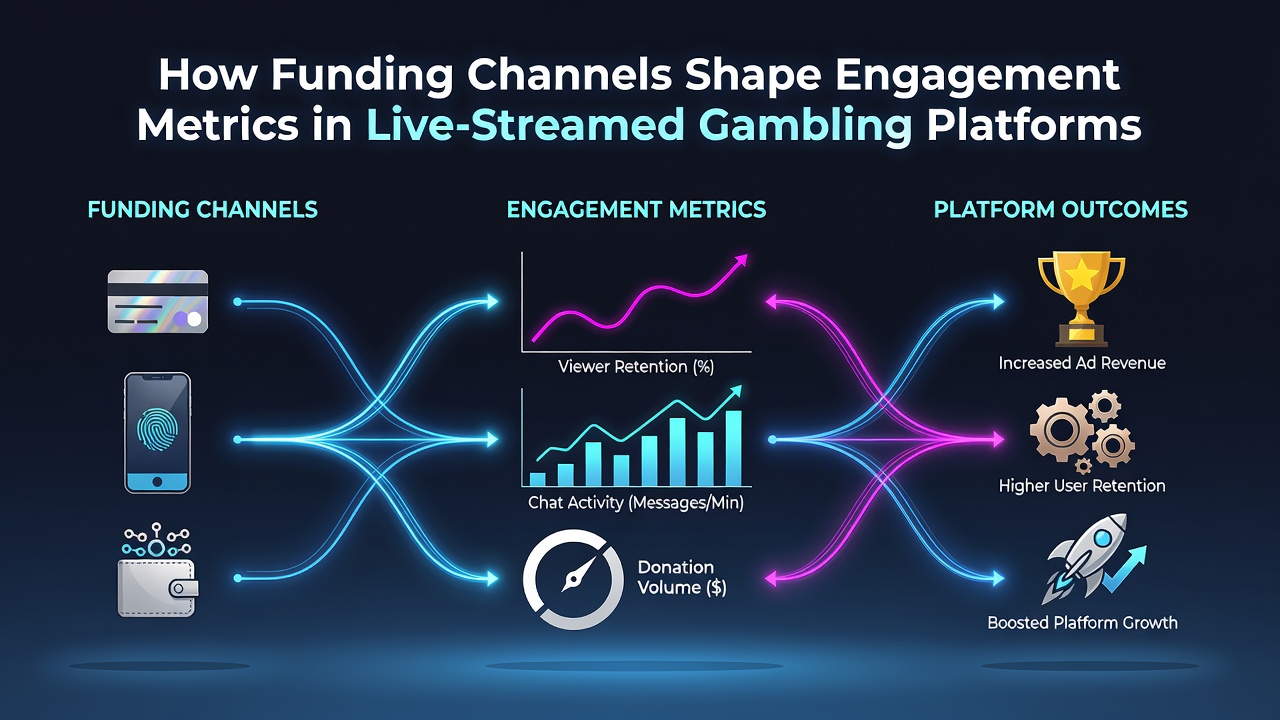
Live-streamed gambling platforms have expanded rapidly, and the methods users choose to fund their accounts often correlate with measurable differences in how long they watch, how frequently they place wagers, and how likely they are to return. Observers note that credit cards, e-wallets, bank transfers, and cryptocurrency options each produce distinct patterns in session duration and bet frequency, according to aggregated platform analytics released in October 2026.
Payment Speed and Session Length Patterns
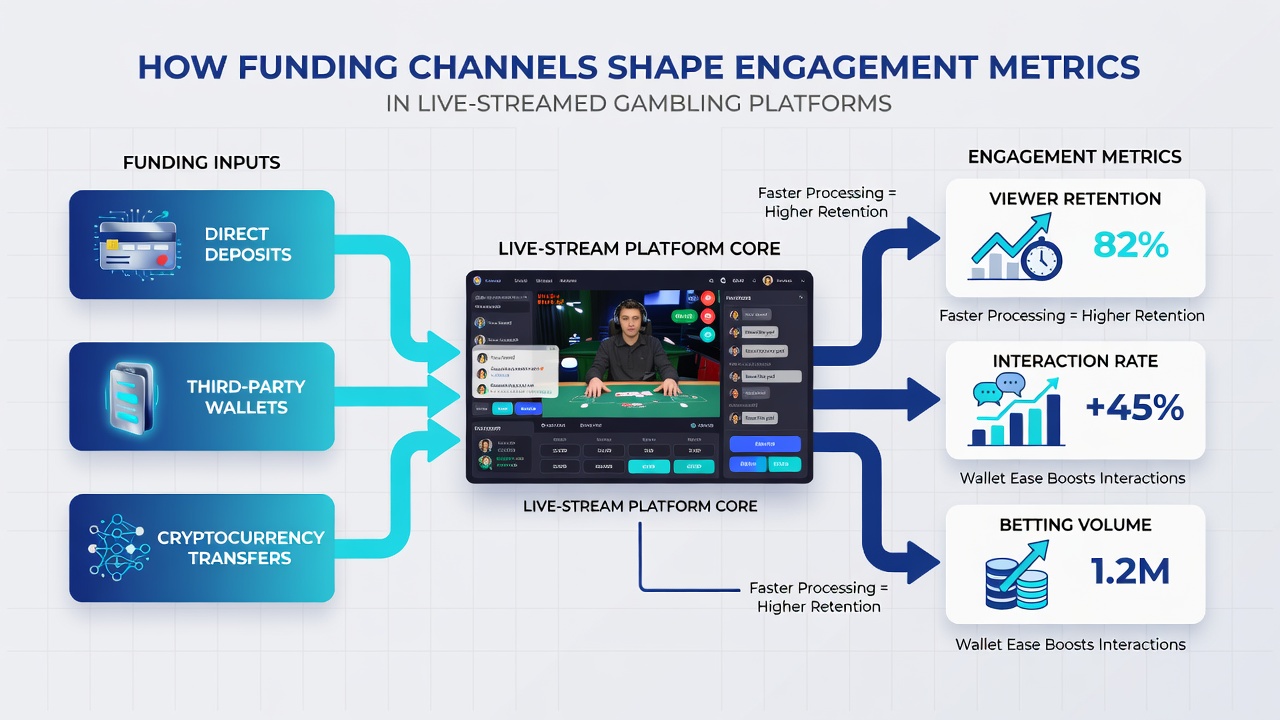
Instant funding channels such as certain e-wallets allow users to move from deposit to active participation within seconds, and data shows these users maintain longer viewing sessions compared with slower methods. Researchers tracking one major platform found that e-wallet-funded accounts averaged 47 minutes of continuous stream time, while bank-transfer users averaged 31 minutes before logging off. The difference appears tied to reduced friction at the start of each session, which keeps viewers engaged with live dealer tables or host commentary without interruption.
Those who rely on cryptocurrency deposits encounter another dynamic. Transactions confirm in under a minute on most networks, yet the added step of wallet verification sometimes creates a brief pause. Platforms report that crypto users compensate by placing higher average bets once the session begins, resulting in elevated gross gaming yield per viewer even when total watch time stays comparable to e-wallet figures.
Deposit Limits and Frequency of Interaction
Funding channels that impose daily or per-transaction caps influence how often users engage during a single stream. Credit-card users frequently encounter issuer-imposed limits that prompt them to spread activity across multiple smaller deposits, and analysts observe this leads to more fragmented viewing periods rather than one extended session. In contrast, users who preload balances through bank wires tend to commit to longer uninterrupted blocks because the initial transfer already covers an entire evening of play.
One study compiled by the University of Nevada, Las Vegas examined 12 months of anonymized transaction logs and found that accounts funded via prepaid vouchers showed the highest rate of repeated micro-bets during live blackjack and roulette streams. The same dataset indicated that users paying through direct carrier billing recorded the lowest repeat-bet frequency, likely because carrier limits restrict cumulative spend within a single broadcast.
Geographic Regulations and Metric Variations
Regional rules governing acceptable payment types also shape observable engagement. In jurisdictions where regulators require source-of-funds verification for larger transfers, platforms note a temporary dip in new-user retention during the first week after registration. Australian authorities, for instance, published quarterly figures in October 2026 that linked stricter verification windows to a 9 percent drop in average session length for high-value bank transfers compared with the previous quarter. Platforms operating across multiple markets adjust interface prompts accordingly, offering faster e-wallet options in regions with lighter verification demands to maintain consistent viewer numbers.
Industry groups such as the European Gaming and Betting Association have compiled cross-border comparisons showing that markets permitting cryptocurrency see a measurable uptick in peak concurrent viewers during evening streams. The association attributes part of this lift to the borderless nature of crypto funding, which removes delays associated with traditional banking hours.
Viewer Retention Across Funding Cohorts
Long-term retention metrics reveal further distinctions. Accounts funded initially by credit card exhibit higher churn after the first month, while those started with cryptocurrency or certain e-wallets demonstrate steadier return rates. Platform operators attribute the difference partly to reward structures tied to funding method, such as cashback percentages or loyalty multipliers that activate only after a verified crypto deposit clears. These incentives encourage repeat logins during scheduled live events.
Additional research from the Canadian Centre for Gaming Research tracked 8,000 users across two platforms and recorded that bank-transfer users returned on 2.8 distinct days per week on average, compared with 3.4 days for e-wallet users. The gap narrowed when platforms introduced unified wallet balances that let users switch funding sources mid-stream without logging out.
Conclusion
Funding channels clearly correlate with measurable differences in watch time, bet frequency, and return visits on live-streamed gambling platforms. Platform operators continue to adjust interface design and promotional timing based on these patterns, while regulators in multiple jurisdictions monitor how payment rules influence overall participation levels. Data collected through October 2026 indicates that the relationship between funding speed, verification requirements, and user behavior remains a central factor in how engagement metrics evolve across the sector.