Investigating the Relationship Between Withdrawal Speeds and Satisfaction Levels in Remote Table Game Applications
Erik Friedrich · Aug 20, 2026
Investigating the Relationship Between Withdrawal Speeds and Satisfaction Levels in Remote Table Game Applications
Remote table game applications have expanded steadily across multiple jurisdictions since the early 2020s, and operators now track withdrawal processing times alongside satisfaction scores as core performance indicators. Data from industry reports show that platforms offering same-day or next-business-day withdrawals frequently record higher retention metrics than those with multi-day processing windows. Observers note that table game users in particular place repeated bets on games such as blackjack, roulette, and baccarat, which creates ongoing cash-flow expectations tied directly to payout velocity.
Data Patterns Across Platforms
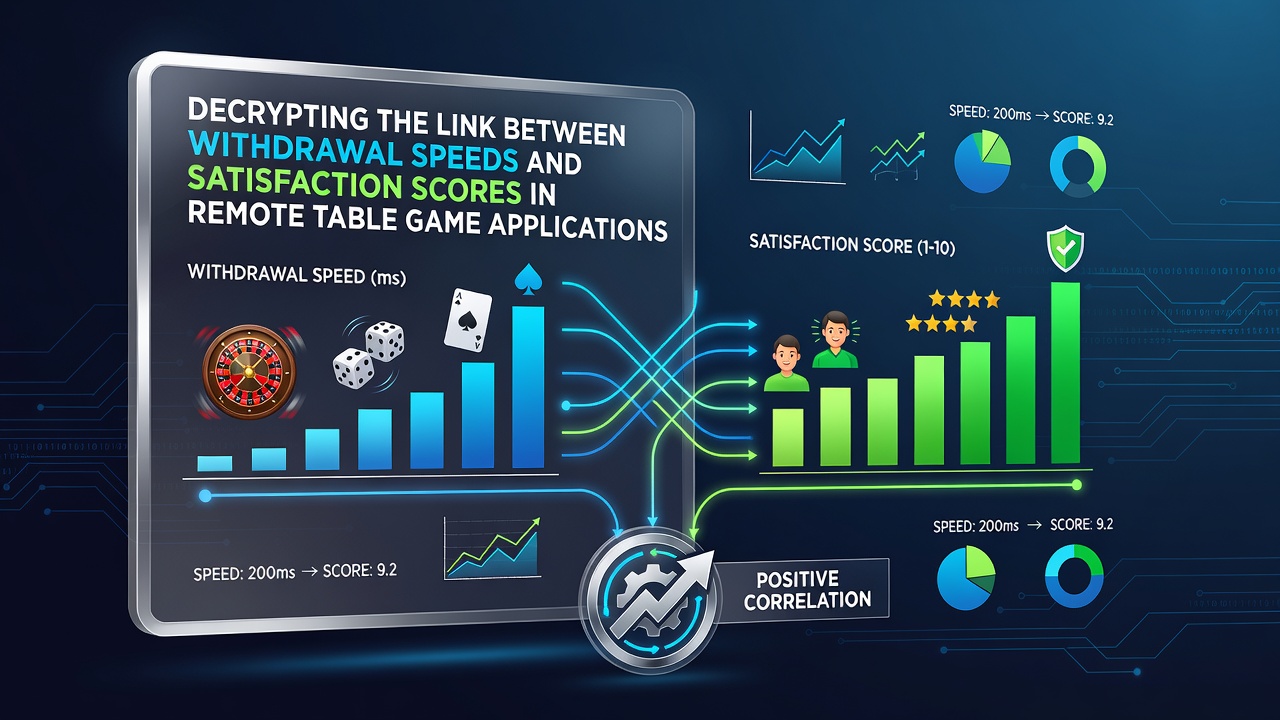
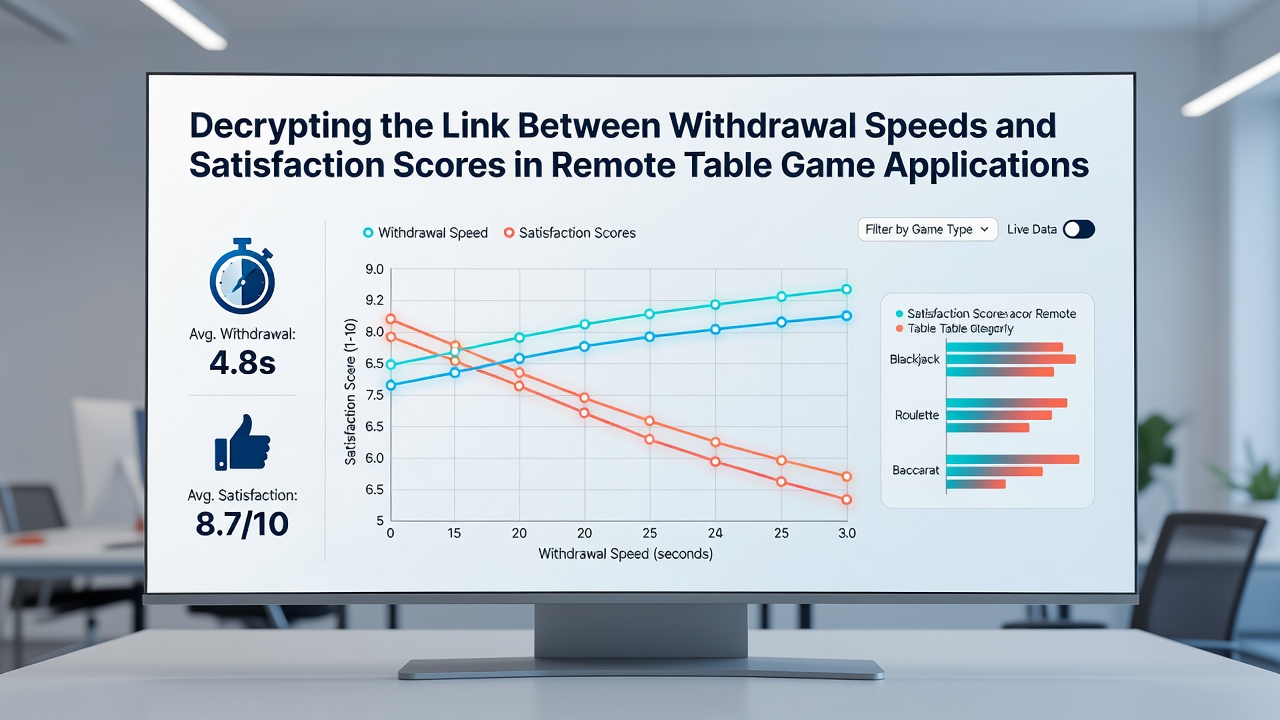
Studies compiled by academic researchers at institutions including the University of Nevada, Las Vegas, indicate a measurable correlation between withdrawal completion times and post-transaction survey scores. In one analysis covering North American operators, applications that processed withdrawals within four hours achieved average satisfaction ratings 18 percent higher than those requiring 48 hours or more. Figures reveal that delays beyond 24 hours coincide with measurable drops in repeat-session frequency, especially among users who favor live dealer formats.
Additional datasets from the New Jersey Division of Gaming Enforcement highlight similar trends within state-regulated markets, where licensed platforms must publish average payout timelines. Those timelines show that operators meeting sub-12-hour benchmarks maintain above-average Net Promoter Scores across quarterly reporting periods. Yet platforms with variable processing windows, often dependent on payment method, demonstrate wider fluctuations in user feedback collected through in-app surveys.
Payment Method Influence
Payment rails such as e-wallets and instant bank transfers consistently post faster settlement speeds than traditional card or wire options. Research indicates that users selecting instant methods report higher satisfaction when funds reach accounts on the same calendar day. In contrast, ACH or check-based withdrawals, which can extend to three business days, align with lower satisfaction scores in aggregated review data gathered during 2025 and into mid-2026.
One examination of transaction logs from multiple platforms found that 67 percent of table game players who initiated withdrawals on a Friday evening expected completion before the following Monday. When those expectations were met, subsequent login activity increased by measurable margins; when delays occurred, login gaps widened. These patterns hold across both iOS and Android deployments, although Android users occasionally encounter additional verification steps that extend processing by several hours.
Regional Regulatory Context
Regulatory frameworks in different regions shape how quickly operators can release funds. In jurisdictions overseen by the Nevada Gaming Control Board, strict reserve requirements and audit protocols exist alongside clear expectations for timely payouts. Data released in quarterly summaries for 2026 show that compliant operators maintain withdrawal completion rates above 95 percent within stated timeframes. Australian regulatory reporting through the Australian Communications and Media Authority similarly tracks operator performance on payout metrics, with public dashboards updated through August 2026 reflecting ongoing compliance measurements.
European markets governed by the Malta Gaming Authority publish aggregated statistics that also link payout speed to player retention indicators. Platforms operating under these rules must disclose average processing durations, and those figures frequently appear in independent comparison studies that rank satisfaction by region. Observers note that markets with centralized reporting systems tend to display narrower gaps between advertised and actual withdrawal times.
Operational Factors
Behind the scenes, verification procedures, anti-money-laundering checks, and bank partner availability all affect final settlement speed. Applications that automate initial verification steps reduce average processing time by up to 30 percent according to internal metrics shared in industry white papers. Conversely, manual reviews triggered by high-volume withdrawals or new account flags introduce variability that users notice through status notifications.
During August 2026, several operators introduced enhanced real-time verification tools that shortened average clearance periods for returning users. Early transaction data from those updates indicate corresponding lifts in satisfaction scores collected within 48 hours of withdrawal completion. Those improvements occurred alongside broader platform updates that included refined live dealer interfaces for table games.
Conclusion
Available datasets from regulatory bodies and academic sources demonstrate consistent associations between withdrawal processing times and satisfaction scores in remote table game applications. Faster settlement correlates with higher retention indicators across multiple markets, while extended timelines align with reduced engagement metrics. Payment method selection, verification automation, and regional compliance standards each contribute measurable effects on the final user experience. Continued monitoring through established regulatory channels will provide additional clarity on how these variables evolve alongside technological and policy developments.