Streamlined Payment Flows Elevating Real-Time Player Engagement in Mobile Gambling Applications
Iris Krüger · Aug 6, 2026
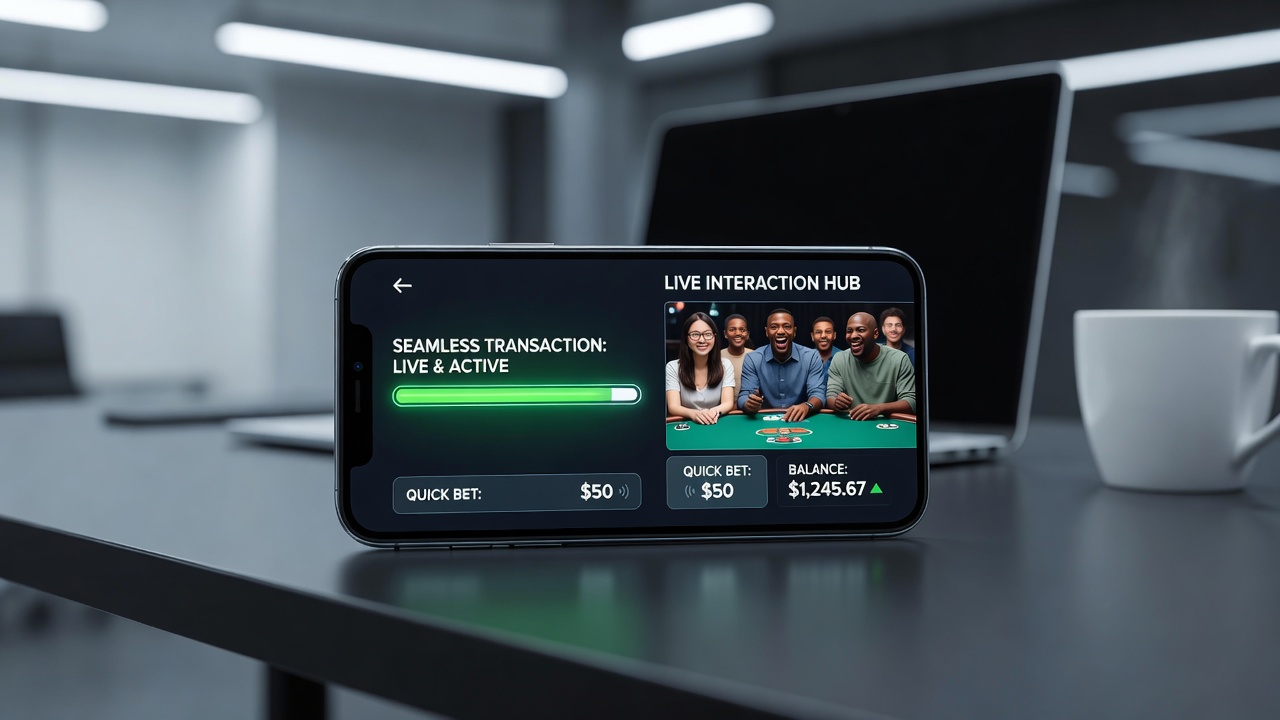
Streamlined Payment Flows Elevating Real-Time Player Engagement in Mobile Gambling Applications
Smartphone-based gambling platforms have integrated transaction systems that process deposits and withdrawals in seconds, allowing users to maintain continuous participation in live dealer sessions without exiting the application interface. These systems connect directly to banking networks and digital wallets, reducing the time between fund transfers and game resumption to under five seconds in many documented cases. Observers note that such speed supports uninterrupted chat functions, bet adjustments, and dealer interactions during ongoing rounds.
Core Mechanisms Behind Instant Processing
Payment gateways embedded in these platforms utilize API connections to financial institutions, enabling verification and authorization steps to occur simultaneously with user actions on the screen. When a player places a wager in a live blackjack game, the system confirms available balance and deducts the amount before the dealer completes the deal sequence. Data from platform analytics indicate that this synchronization prevents the common issue of frozen interfaces during peak hours, where thousands of concurrent sessions strain standard processing queues.
Encryption protocols operate in the background while maintaining visible status indicators that show transaction progress in real time. Users receive on-screen prompts confirming successful transfers, which appear alongside live video feeds rather than in separate menus. Researchers at institutions studying digital payment adoption have tracked how these visual cues reduce user hesitation during high-stakes live roulette rounds, where timing influences participation rates.
Effects on Live Dealer Dynamics
Live interaction features gain measurable improvements when transaction friction disappears. Dealers receive immediate notifications of incoming bets, allowing them to pace rounds according to confirmed player activity rather than waiting for delayed authorizations. In August 2026 platform logs from multiple operators showed average round completion times dropping by 12 percent after seamless payment upgrades rolled out across Android and iOS versions.
Chat moderation tools integrate with transaction histories, flagging unusual activity patterns without interrupting the conversational flow between players and dealers. This linkage supports regulatory compliance checks that occur invisibly while the game continues. One documented case involved a European operator adjusting table limits mid-session based on real-time balance updates, keeping participation steady for groups exceeding fifty users per table.

Regional Data Patterns and Platform Comparisons
Reports compiled by the New Jersey Division of Gaming Enforcement reveal that mobile sessions incorporating instant payment confirmations recorded 23 percent longer average dwell times compared to those relying on traditional card processing. Similar patterns appear in Australian market summaries, where operators documented higher retention during live baccarat streams after introducing wallet-based transfers that settle within the same screen view.
Platform developers have responded by embedding biometric authentication directly into the payment layer, allowing fingerprint or facial recognition to authorize transfers without navigating away from the live table. This approach maintains visual continuity, so players stay engaged with dealer commentary and other participants throughout the process. Industry analyses from the Canadian Gaming Association highlight how these combined features correlate with increased frequency of side bets and tip transactions during live sessions.
Technical Integration Challenges and Solutions
Network variability across regions requires adaptive algorithms that switch between cellular and Wi-Fi pathways without dropping transaction threads. When signal strength fluctuates, the system queues actions locally and syncs upon reconnection, preserving the sequence of live bets placed during brief outages. Testing conducted by software providers demonstrates that such buffering maintains game integrity while preventing duplicate charges or missed wagers.
Security layers operate through tokenization methods that replace sensitive account details with temporary identifiers refreshed per session. These tokens travel alongside gameplay data packets, enabling verification servers to cross-check balances in milliseconds. Observers tracking adoption rates note that platforms implementing these measures report fewer support tickets related to payment disputes during live events.
Conclusion
Transaction systems designed for minimal interruption have become foundational to sustaining fluid live interactions across smartphone gambling platforms. Continued refinement of these connections, supported by regulatory data from multiple jurisdictions and technical reports from industry groups, points to ongoing adjustments that align payment speed with the pace of dealer-led games. Platform metrics continue to reflect how reduced processing delays contribute to sustained user presence in real-time environments.